Archaeological news about the Archaeology of Early Medieval Europe from the Archaeology in Europe web site

Monday, 5 February 2018

This Mass Grave May Belong to 'Great Viking Army'

Bones are yielding new clues about the massive, mysterious Viking forces that invaded England.

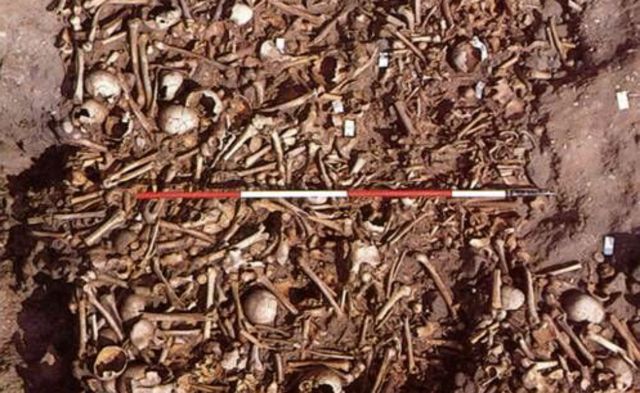
A photo taken at a 1982 excavation of the gravesite shows remains from what may belong to the Great Viking Army. 
PHOTOGRAPH BY MARTIN BIDDLE

For years, archaeologists were stumped. What happened to the Great Viking Army, a massive force that seized great swaths of England in the 9th century but left barely a trace?
Archaeologists now report that a mass grave in England may contain nearly 300 Viking warriors—the only remains of the Great Viking Army’s warriors ever found.Archaeologists first uncovered the burial site in the 1980s, in Derbyshire, England, and thought it might contain remains from the Great Viking Army, also known the Great Heathen Army. But there was one problem—radiocarbon dating of the site revealed that the remains were too old to be Viking invaders.
Read the rest of this article...

Sunday, 4 February 2018

Midlands mass grave was burial site for Viking 'Great Heathen Army' war dead, new study reveals

The powerful Norse army was sent to invade the four Anglo-Saxon kingdoms that constituted England in 865 AD.

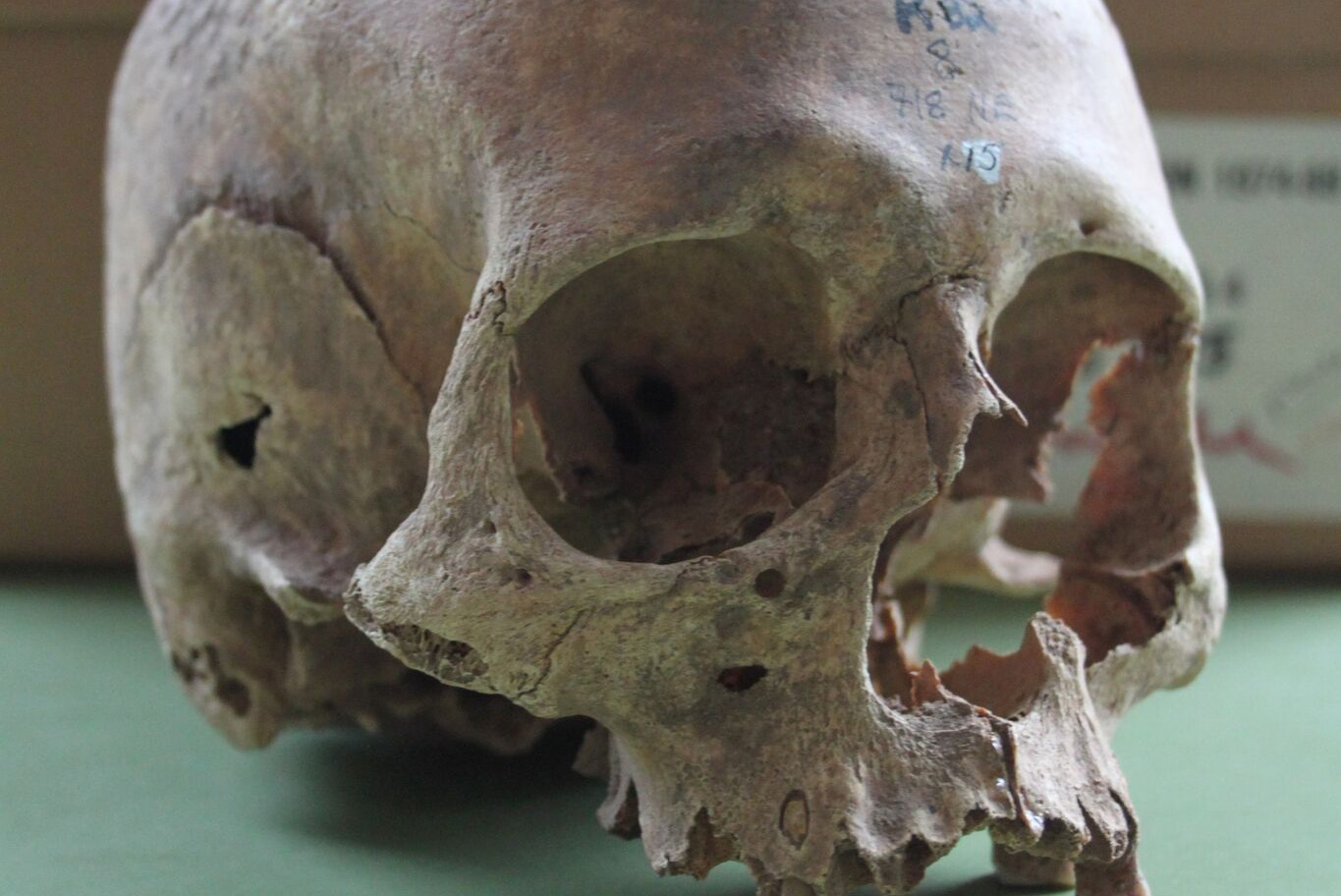
One of the female skulls excavated from the Repton burial site Cat Jarman 

In the 70s, a mysterious mass grave complex, containing the remains of hundreds of people, was unearthed by archaeologists in Repton, Derbyshire. The initial signs indicated that the burial site was associated with a Viking army, however, radiocarbon dating seemed to pour cold water on this hypothesis, suggesting that the bones had actually been left there over several centuries.

Now, new research has revealed that, in fact, the remains are consistent with a date in the 9th century. Based on these findings, Cat Jarman and colleagues from the University of Bristol's Department of Anthropology and Archaeology suggest that the mass grave was a burial site for the war dead of the Viking Great Army.

This military force – known by the Anglo-Saxons as the Great Heathen Army – was a powerful coalition of Norse warriors mainly originating from Denmark, although some came from Sweden and Norway, who banded together under a unified command to invade the four Anglo-Saxon kingdoms that constituted England in 865 AD.


Historical records indicate that this army spent the winter at Repton in 873 AD, driving the king of Mercia – one of the Anglo-Saxon kingdoms, centred on the midlands – into exile in the process.

Read the rest of this article...
Melting Glaciers Could Reveal How Our Ancestors Dealt With Changing Climates

While some archaeologists dig with trowels and shovels, others use a warming planet to their advantage.


Archaeologist holding a c. 1400-year-old arrow, lost reindeer hunting in the high mountains of Oppland, Norway, during the Late Antique Little Ice Age. 
PHOTOGRAPH BYJULIAN MARTINSEN, SECRETS OF THE ICE OPPLAND COUNTY COUNCIL

When Lars Pilø, co-director of the Glacier Archaeology Program at Oppland County Council, noticed Norway was experiencing a particularly warm autumn in 2006, the archaeologist turned to the mountains. If climate change was thawing glacial ice, what did that mean for the artifacts that were emerging from the melt? So, starting officially in 2011, Pilø and an international team took to Norway's icy Jotunheimen and Oppland mountains to see what ancient objects they could rescue from the snowmelt.

Over the years, the archaeologists uncovered thousands of artifacts, some of which date back 6,000 years. Since the ice acts like a giant freezer and preserves the objects, the finds look like they could have been uncovered yesterday. (Read: "Alaska's Thaw Reveals—And Threatens—A Culture's Artifacts")

"The moment these artifacts melt out of the ice, they're immediately vulnerable to the elements," says James H. Barrett, a University of Cambridge environmental archaeologist.

The glacier archaeologists detailed their findings in a Royal Society Open Science paper published January 24. Pilø and Barrett are authors on the paper.

Read the rest of this article...
Melting Glaciers Could Reveal How Our Ancestors Dealt With Changing Climates

While some archaeologists dig with trowels and shovels, others use a warming planet to their advantage.


Archaeologist holding a c. 1400-year-old arrow, lost reindeer hunting in the high mountains of Oppland, Norway, during the Late Antique Little Ice Age. 
PHOTOGRAPH BYJULIAN MARTINSEN, SECRETS OF THE ICE OPPLAND COUNTY COUNCIL

When Lars Pilø, co-director of the Glacier Archaeology Program at Oppland County Council, noticed Norway was experiencing a particularly warm autumn in 2006, the archaeologist turned to the mountains. If climate change was thawing glacial ice, what did that mean for the artifacts that were emerging from the melt? So, starting officially in 2011, Pilø and an international team took to Norway's icy Jotunheimen and Oppland mountains to see what ancient objects they could rescue from the snowmelt.

Over the years, the archaeologists uncovered thousands of artifacts, some of which date back 6,000 years. Since the ice acts like a giant freezer and preserves the objects, the finds look like they could have been uncovered yesterday. (Read: "Alaska's Thaw Reveals—And Threatens—A Culture's Artifacts")

"The moment these artifacts melt out of the ice, they're immediately vulnerable to the elements," says James H. Barrett, a University of Cambridge environmental archaeologist.

The glacier archaeologists detailed their findings in a Royal Society Open Science paper published January 24. Pilø and Barrett are authors on the paper.

Read the rest of this article...

Friday, 2 February 2018

Canterbury artefacts 'may have been stolen by metal thieves'


Two suspected metal thieves are believed to be behind the theft of an archaeological hoard including hundreds of Anglo-Saxon beads and iron age coins, having apparently stumbled on the artefacts while scavenging for copper pipes and wiring.
Canterbury Archaeological Trust is appealing for the public’s help in scanning online sale sites such as eBay for any sign of the artefacts stolen in three raids last month at its warehouse, in the north-east of the city.
The trust is also furious with its landlord, Canterbury city council, because it claims the council failed to inform it, or the police, about metal theft on an adjacent derelict site.
The trust’s archive manager, Andrew Richardson, is devastated by the loss of at least 1,500 items, including Anglo-Saxon brooches and coins each worth thousands of pounds.
Read the rest of this article...

Thieves steal hundreds of priceless artefacts from Canterbury charity


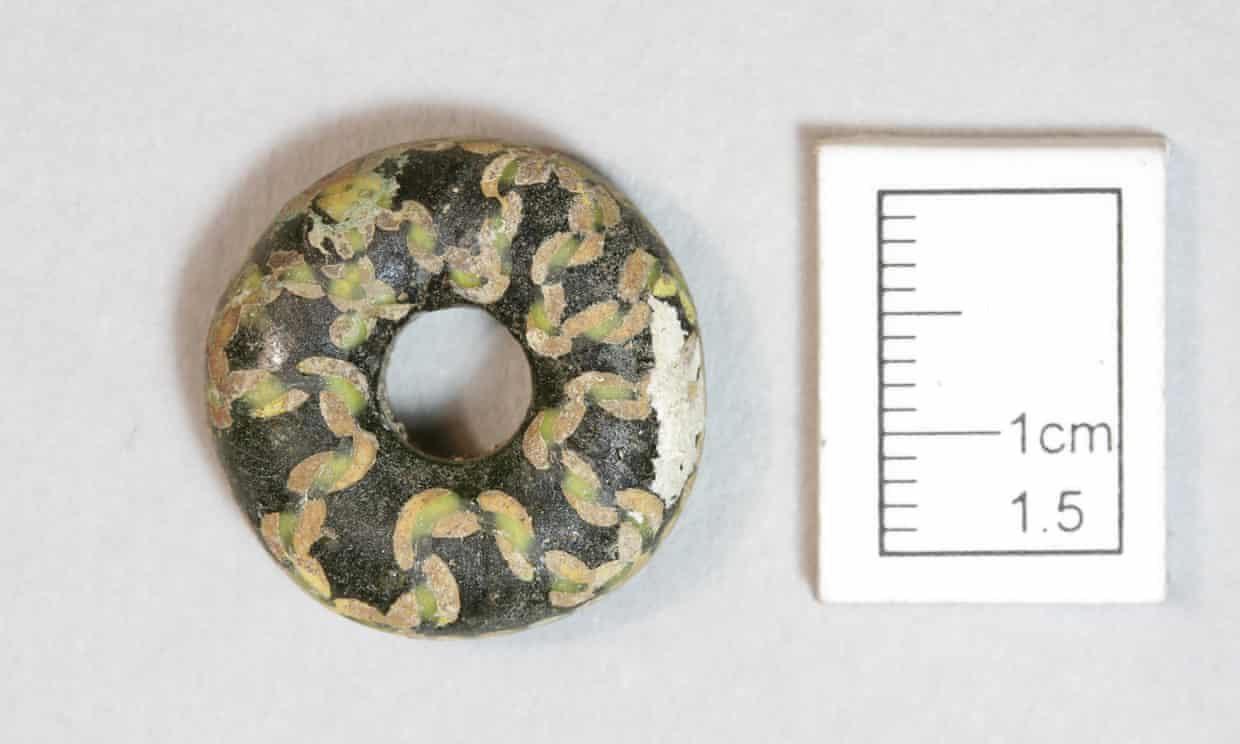
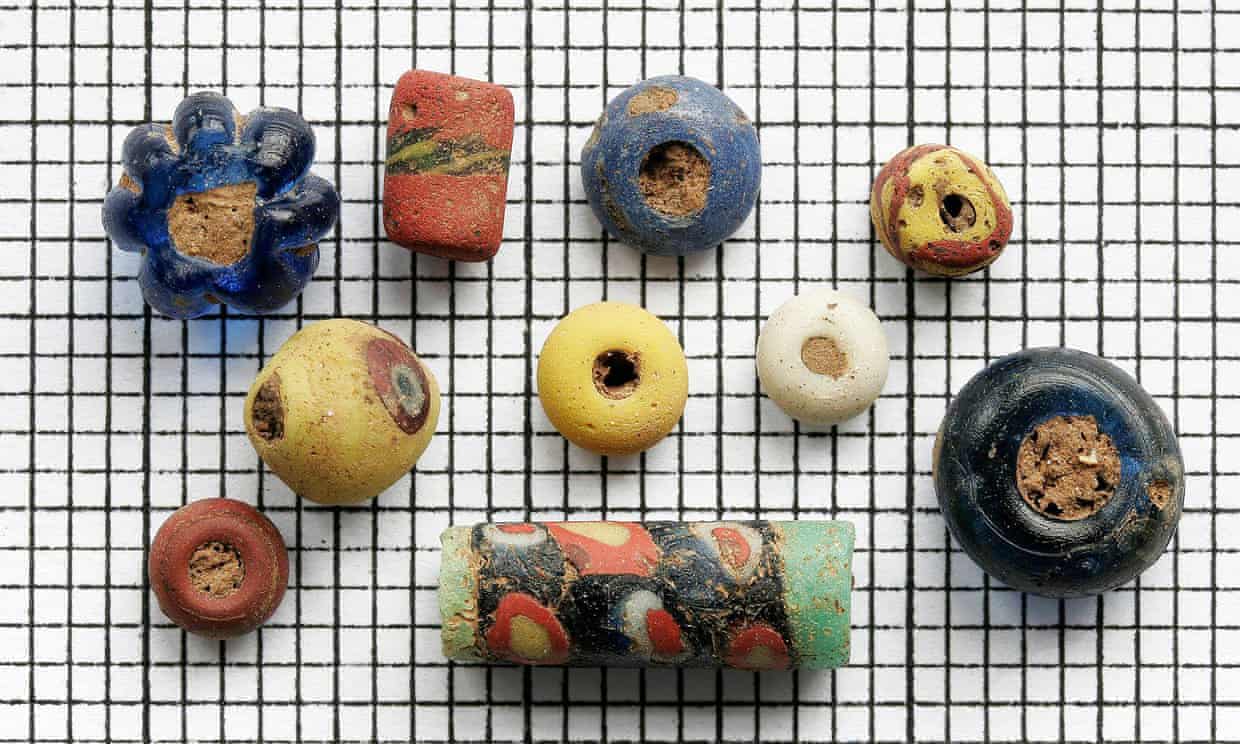
Priceless artefacts including 850 Anglo-Saxon beads have been stolen from an archaeological charity in Canterbury during a series of break-ins.

Thieves broke into the store of the Canterbury Archaeological Trust, which undertakes excavations and research and educates the public about archaeology, twice last week and once over the weekend.

As well as the beads, large quantities of coins and metal artefacts, and an assortment of bone objects have been stolen.
The charity has put on an appeal asking the public to look out for the historical items being offered for sale.

The trust’s outreach and archive manager Dr Andrew Richardson told the Guardian: “It’s been pretty distressing for everyone at the trust, not only because of the lost items but also the scale of the damage.

Read the rest of this article...

Bones clue to 'lost' Viking army which made England

The mass grave was first excavated in the 1970s and 80s
Martin Biddle

A lost Viking army which was a "key part" of the creation of England may have been identified by archaeologists.

More than 250 skeletons found at St Wystan's church, Repton, Derbyshire, have been dated to the 9th Century.

Chronicles state a "large heathen army" began to hack its way across England in 866AD, toppling Anglo-Saxon kings until being halted by Alfred the Great.

Cat Jarman from the University of Bristol said: "This army had left almost no trace, but maybe here it is."

Read the rest of this article...